An embedded system is an electronic device designed to perform a specific function within a product, machine, or installation. Unlike a general-purpose computer, it is not intended to run just any task, but to control, measure, communicate, display, or automate a specific function reliably.
Embedded systems are found in vehicles, lifts, industrial machines, medical devices, ATMs, trains, control panels, smart displays, and defence equipment. They often go unnoticed because they are not presented as computers, but they are the core that enables a product to respond, measure, process data, or communicate with other systems.
Embedded System: A Simple Definition and Its Industrial Meaning
A practical definition of an embedded system is a computer system integrated into a larger piece of equipment. It may include a processor, memory, inputs and outputs, connectivity, firmware, an operating system, and specific software. Its design is determined by the product into which it is integrated.
For this reason, the meaning of embedded goes beyond the computer being physically located inside an enclosure. It means that the hardware and software are designed around a specific function: controlling a display, managing vehicle signals, processing sensor data, playing content, communicating with a PLC, or running an HMI interface.
In industrial environments, this specialisation is essential. An embedded computer must operate for years, withstand demanding conditions, maintain component availability, and adapt to connectivity, mounting, and certification requirements.
How an Embedded System Works in Practice
An embedded system works by combining hardware and software. The hardware provides processing capacity, power, interfaces, and communication with the surrounding environment. The software defines what the system must do: read data, execute rules, display information, activate outputs, or send messages to other equipment.
Some systems use simple microcontrollers. Others incorporate ARM or Intel processors, memory, storage, a Linux, Android, or Windows IoT operating system, and Ethernet, CAN bus, RS232, RS485, Wi-Fi, or 4G/5G connectivity. The choice depends on the workload, operating environment, and expected life cycle.
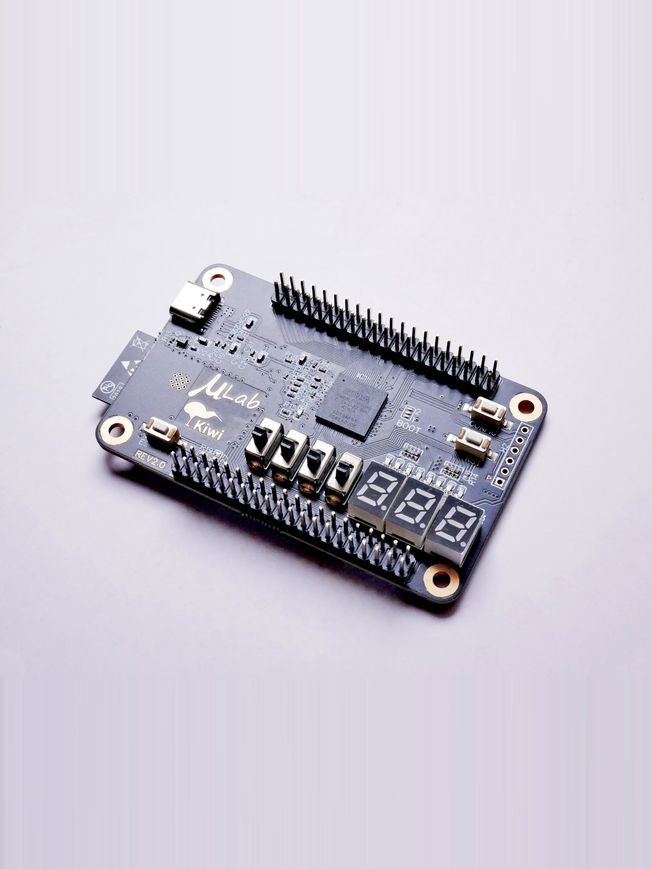
Embedded System Software: Firmware, BSP, and Operating System
Embedded system software can range from firmware that runs very close to the hardware to complete applications with a graphical interface. Industrial projects may also require developing or adapting a BSP, configuring drivers, securing the boot process, managing updates, and protecting system stability.
This area often makes the difference between a prototype that works in the laboratory and a product capable of operating in the field for years. Software stability, peripheral compatibility, and the maintenance strategy are just as important as the choice of processor.
Examples of Embedded Systems in Industry, Transportation, and Devices
Embedded systems appear across many sectors. Common examples include:
A Panel PC that controls an industrial machine and displays an HMI interface.
An in-vehicle computer that collects data from a bus and communicates with passenger information displays.
A media player for digital signage in public transportation or retail.
A medical device that monitors variables and presents information on a screen.
A fanless computer installed in an environment with dust, vibration, or variable temperatures.
A controller integrated into a vending machine, kiosk, or self-service terminal.
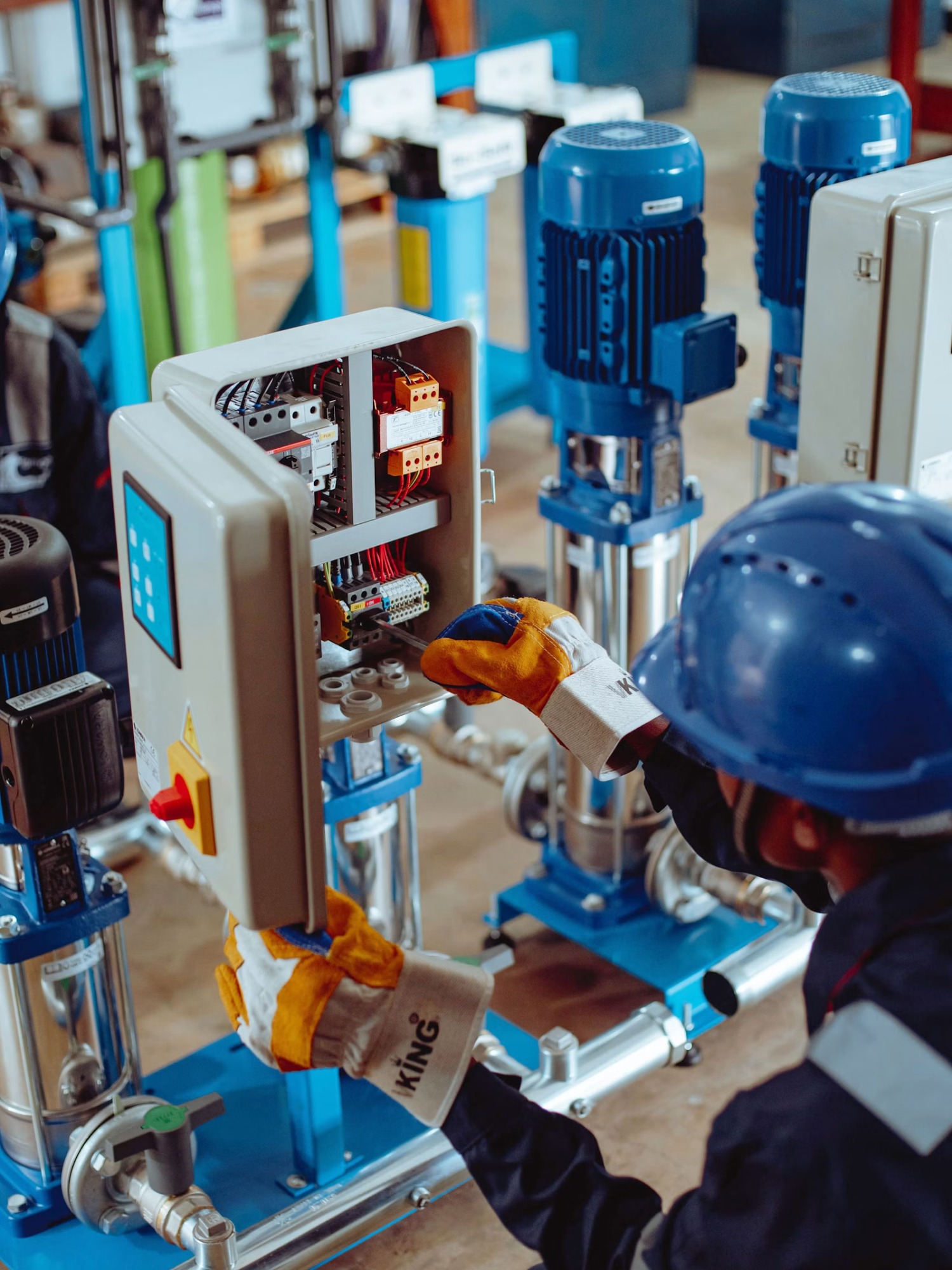
In all these cases, an embedded system is not selected based on performance alone. Form factor, power consumption, thermal dissipation, electromagnetic compatibility, interface support, long-term availability, and the ability to adapt the design to the final product all matter.
Embedded System, Industrial PC, Panel PC, and Box PC: Key Differences
Although these terms are sometimes used interchangeably, several concepts should be distinguished. An embedded system is the general category. An industrial PC is a computer designed for demanding environments. A Panel PC combines a display and a computer in a single device. A Box PC is generally an industrial computer without a display, designed for installation inside a machine, cabinet, or vehicle.
The choice depends on the application. If the operator needs to interact visually, an industrial Panel PC may be the right option. If the equipment must process data without a direct interface, a Box PC may be a better fit. If the project requires a highly specific board, enclosure, or communication interface, it may call for a custom embedded design.
What to Check Before Choosing an Embedded Computer
Before selecting an embedded computer, define the exact function it must perform. Displaying a simple interface is very different from processing video, communicating through several buses, storing data, or running applications with demanding graphics requirements.
The environment must also be defined: temperature, vibration, power supply, humidity, dust, sunlight exposure, certifications, mounting, and maintenance access. A device that works well in an office may fail when installed in a vehicle, an industrial cab, or an unventilated cabinet.
Continuity is another critical criterion. Industrial, transportation, and defence projects often require availability for many years. It is therefore important to work with manufacturers that can maintain configurations, adapt components, and support the product as it evolves.
When a Custom Embedded System Is the Best Choice
A standard system is sufficient when the requirements match existing products. However, when the equipment needs specific mechanics, particular connectors, proprietary firmware, certifications, optical integration, communication with other systems, or a long service life, a custom solution reduces risk.
Inelmatic combines electronic design, mechanical integration, product development, and manufacturing of industrial embedded solutions. This capability makes it possible to create equipment tailored to the project, from displays with integrated CPUs to in-vehicle computers, media players, and customised Panel PCs.
The decision should not be based on initial cost alone. In an industrial project, a suitable embedded design can prevent redesigns, field failures, supply problems, and future maintenance limitations.
Frequently Asked Questions About Embedded Systems
What Is an Embedded System?
It is a computer system integrated into a product or machine to perform a specific control, communication, display, or processing function.
What Is the Difference Between an Embedded System and a Regular Computer?
A regular computer is designed for general-purpose tasks. An embedded system is designed for a specific function and is usually integrated into a larger piece of equipment.
Is a Panel PC an Embedded System?
It can be when it combines a computer, display, and software for a specific industrial function, such as controlling a machine or operating as an HMI.
What Is an Industrial Embedded Computer?
It is a computing device integrated into an industrial application and designed for stable operation, a long life cycle, and demanding conditions.
When Should a Fanless PC Be Used?
It is suitable when maintenance must be reduced, dust ingress through fans must be avoided, and reliability must be improved in industrial or in-vehicle environments.
Does Inelmatic Develop Custom Embedded Systems?
Yes. Inelmatic designs and manufactures embedded electronic solutions, Panel PCs, industrial computers, and customised equipment for different sectors.